
Graeme McGarry’s Celtic ‘Shame’ Article Exposes the Board’s Real Problem with Fans
McGarry’s article asks what really brings shame to Celtic—and why the board’s strongest statements seem to come when supporters challenge its leadership.
 Phillip Cooney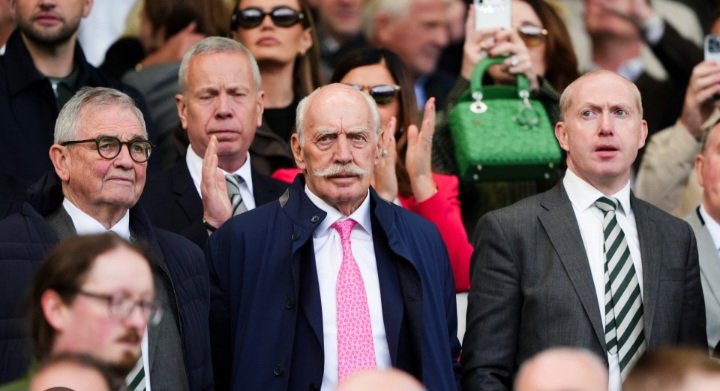
Graeme McGarry’s article asks Celtic to reassess what brings “shame” to the club’s name. His argument lands on a question the board still has to answer: why does it speak so forcefully when supporters challenge its leadership, yet offer so little explanation when the club’s direction leaves those same supporters worried and angry?
A statement for the protest, but where are the answers?
Celtic’s statement condemned the tennis-ball protest aimed at principal shareholder Dermot Desmond. It said those responsible had brought “shame upon the name of Celtic Football Club”. That language was emphatic. The board is entitled to criticise a protest it considers unacceptable. But supporters can also ask why similar urgency is so rarely shown when the club faces serious questions about its football decisions.
McGarry points to Celtic’s repeated exits in the Champions League qualifying play-offs and the narrow title race that nearly slipped away. He argues that such setbacks did not produce comparable public explanations, visible changes to the club’s structure or recognition of supporters’ concerns. The protest, by contrast, drew a fierce response and an end to the club’s engagement with the Celtic Fans Collective.
That difference is difficult to ignore. When fans say they feel unheard, a statement rebuking them does not answer their questions. It makes the distance between the board and the support look wider.
Supporters have been challenged over protest before
The dispute also sits within a longer history of conflict over fan expression. Celtic asked supporters not to display flags and symbols connected to the Israel-Palestine conflict before a 2023 match. The club later condemned a pro-Palestinian display. Supporters saw those actions as an attempt to restrict a cause they viewed as humanitarian and deeply connected to the club’s identity.
The Green Brigade has also faced suspensions affecting a large group of supporters. Celtic cited conduct and safety concerns; the group and other critics described the collective effect as unfair punishment. Those are separate disputes, with their own facts. Together, however, they have added to a feeling among some supporters that the board is quicker to impose restrictions than to listen.
Celtic belongs to its supporters too
McGarry’s strongest point is that Celtic should turn towards its supporters at a critical moment, rather than shut down communication. He invokes Charlie Mulgrew’s call for a sense of “we” around the club. That is more than a slogan. It means recognising that fans are part of Celtic’s identity and deserve clear answers when they raise concerns.
Supporters have carried this club through generations. They fill the stands, follow the team home and away, and remain after directors and shareholders have moved on. The board cannot claim to protect the club’s reputation while treating its most committed supporters as a problem to manage.
The question raised by McGarry’s article is uncomfortable but fair: if Celtic’s reputation is truly non-negotiable, why does the board seem most concerned when its authority is challenged? The club should explain its decisions, address the failures supporters point to and reopen meaningful dialogue. Condemning fans is easy. Earning their trust takes more.