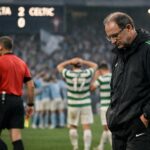
World media expose Celtic’s European decline
Overseas verdicts and Ian Paul Joy’s recruitment criticism leave Celtic facing uncomfortable questions after another European defeat.
 Phillip Cooney

Celtic’s European decline is becoming a story far beyond Scotland. After the 2-1 defeat by Celta Vigo, the international reaction made uncomfortable reading for anyone who remembers what this club once represented.
The Daily Record’s world media round-up gathered verdicts from Spain, France and the United States. Different voices described the same damaging picture: Celtic took the lead, lost control and had little answer when the game turned.
For me, the most troubling part is how familiar that assessment has become.
European reaction exposes Celtic’s weaknesses
Spanish coverage celebrated Javi Rodríguez’s decisive double, but several reports also questioned Celtic’s ability to respond.
La Voz de Galicia highlighted Celta’s superiority and the impact of Claudio Giráldez’s substitutions. Meanwhile, Faro de Vigo described Celtic falling back on crosses as the visitors protected their advantage.
That should sting. Celtic Park is supposed to unsettle opponents. Increasingly, visiting teams seem confident that their organisation and technical quality will carry them through.
The French assessment, attributed to L’Équipe in the round-up, focused on another collapse and Celtic’s failure to collect a point from their opening three league-phase fixtures.
These were not Scottish pundits searching for an argument. They were overseas observers assessing what unfolded in front of them.
Joy questions the squad’s European ambition
The sharpest criticism came from Ian Paul Joy on CBS Sports Golazo.
According to the Record’s report, Joy argued that Celtic’s squad had been assembled for domestic success rather than the demands of European football. He also questioned the expertise behind recruitment and expressed sympathy for Martin O’Neill.
His closing question cut through: “Where’s that pride gone from Celtic Football Club?”
It is a fair question. However, sympathy for the manager should not remove scrutiny of his decisions. Celtic still have to defend set pieces, manage momentum and react when opponents change the contest.
At the same time, responsibility stretches beyond the dugout. If recruitment repeatedly leaves the team short at this level, those directing the club must answer for it.
Celtic need answers beyond domestic comfort
Winning in Scotland cannot keep providing cover for disappointment abroad.
Celtic have the stadium, the support and a European history that deserves more than nostalgic references whenever another defeat arrives.
Nobody is demanding a return to 1967 overnight. We are entitled to demand a coherent plan, credible recruitment and visible progress.
The international verdict should embarrass those running Celtic. More importantly, it should force them to explain how they intend to change it.