
 Jonathan Fear
Celtic has long been perceived not only as a football team, but also as a symbol around which generations of fans gather. In a country where match days are part of the calendar, this club holds the attention thanks to a combination of tradition, sporting ambition and strong cultural energy. People come for the excitement, stay for the atmosphere and return for the feeling of belonging to a great history. At the same time, Celtic’s popularity is not based on a single factor: it is supported by an entire system in which playing style, fan engagement and media presence are all important. Readers looking for an answer to the question ‘why is Celtic so loved’ would do well to look beyond the league table. For those looking for new opportunities and alternatives, it is worth paying attention to platforms such as new.nongamstopsites.co.uk, which offer a variety of options for online gaming enthusiasts.
Celtic’s history and strong identity
First, it is worth mentioning the roots, because they form the basis of recognition. Celtic has a strong identity that has developed over decades and is embedded in symbols, rituals and the urban context.
For fans, it is not only the game on the pitch that is important, but also the feeling that they are supporting not just any project, but a living tradition passed down through families and communities. When a club has a distinct character, even neutral spectators are quicker to remember its style, colours and atmosphere. This creates an emotional connection that does not disappear after one unsuccessful season.
Another layer of popularity is related to how Celtic tells its story. Stories about legends, iconic matches and major turning points in time create a ‘memory’ around the brand. This memory acts as a magnet: newcomers have a reason to take an interest, while long-time fans feel a sense of continuity. It is also important that identity does not remain a museum exhibit. It lives on in the songs of the stands, the club’s visual culture, family traditions of going to the stadium, and everyday conversations about football. That is why the word Celtic often elicits a reaction even from those who rarely watch the championship.
What strengthens Celtic’s image
- Recognisable symbols and club colours
- Traditions of support at matches
- A sense of belonging to the community
- Connection to the city and local culture
This foundation makes Celtic understandable and accessible to a wide audience.
Victories, ambitions and attractive style
It is also important to consider the sporting factor, because success directly fuels interest. Celtic is perceived as a club that is used to fighting for high positions and does not lose its ambition. Even when the line-up is updated, the expectation of results remains, and this keeps the attention on each round. For popularity, it is useful not only to win, but also to do so in a way that makes the matches memorable. A spectacular approach, intensity and a clear game plan create the emotion that makes people tune in again.
A stable reputation plays a separate role. When a team regularly competes for trophies, a habit of following the season forms around it. Strong performances become newsworthy, and every important match turns into an event. In addition, Celtic’s history is full of dramatic twists and turns and memorable periods that the media and fans love to recount. This broadens the audience: sporting intrigue attracts those looking for excitement, while the cultural component retains those who value tradition.
A strong club style is often complemented by the charisma of its leaders. Successful transfers, the development of players, coaching decisions, emotional derbies. All this creates a dense stream of discussion. When a team knows how to combine results and spectacle, its popularity becomes sustainable rather than accidental.
Why sporting success increases interest
- The fight for titles makes the season intense
- Spectacular play adds excitement
- Charismatic personalities increase media attention
- Derbies create a special intrigue
Victories and ambitions help Celtic maintain its status as one of the country’s leading football brands.
Fans, stadium and atmosphere of big matches
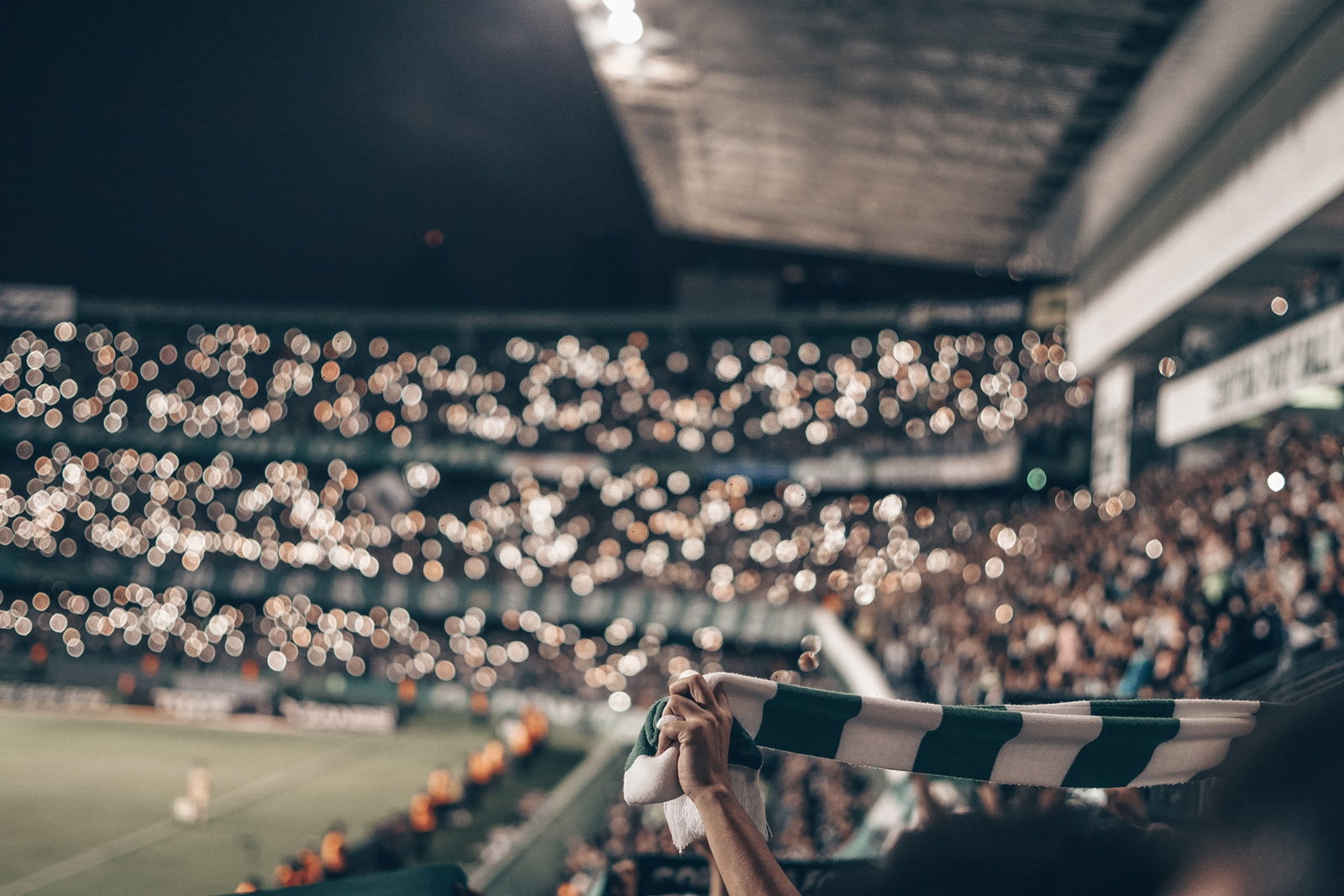
The third reason for popularity is related to fan culture, because it is this that turns the game into an event. Celtic is known for its strong support, which can be felt both at home and away. For the opponent, the atmosphere becomes pressure, and for its players, a source of energy. At the same time, it’s not just about volume: rituals, songs, visual performances and a sense of unity are also important. Spectators who find themselves in such an environment remember the experience for a long time and then want to repeat it.
The home stadium plays the role of a ‘theatre’ where each match takes on additional meaning. The stands can change the mood depending on the context. In a regular tour, this can be confident support, and in a key match, a real emotional storm. Such variability makes viewing more interesting because the drama is enhanced not only by the game but also by the audience’s reaction. Thanks to this, Celtic is perceived as a team with a special ‘home’ where events unfold differently than in many other arenas.
The fan community also influences popularity through organisation. There are groups that support charitable initiatives, create visual projects and help newcomers feel part of the culture. When the club and the fans move in the same direction, a lasting effect is created: the match is perceived as a shared celebration, not just a sporting event.
What creates the ‘stadium effect’
- Songs and rituals recognisable throughout the country
- Emotional involvement of the stands
- Active away support
- Culture of mutual assistance among fans
It is the atmosphere that makes Celtic not only popular but also memorable.
Academy, youth development and social role
The fourth factor is consistency, which builds trust over the long term. Celtic is perceived as a club that knows how to think about the future through the development of young players and infrastructure. When fans see young players making their way to the first team, they feel a sense of pride and ownership of the team. This process keeps interest alive throughout the season: spectators follow not only the score, but also the growth of the players, their character and progress.
Social role also remains an important part of popularity. A team that interacts with communities, participates in public initiatives and supports local projects becomes closer to the people. Then love is formed not only from sporting emotions, but also from a sense of values. For many, this is fundamental: football in the country is often associated with identity and the real stories of neighbourhoods, families and schools. If a club shows itself to be an active participant in life, its support becomes broader than the circle of regular spectators.
One more detail: transparency and a clear structure. When an organisation demonstrates its strategy, the development of its base and its support for young people, fans find it easier to trust in change. Even when there is a change of coach or a restructuring of the team, there is still a sense of direction. This gives Celtic’s popularity an additional foundation that does not depend on a single season.
What does a focus on development offer?
- The emergence of new talent from the academy
- Strengthening ties with the region
- Increased trust in the club’s strategy
- Growth of a positive reputation in the country
Systematic work helps Celtic remain a strong brand in both sport and the public sphere.
Media coverage, derbies and Celtic’s international recognition
Point five: the influence of the media, because modern popularity is not only formed in the stadium. Celtic has an active presence in the media: match discussions, interviews, reports, social media content and behind-the-scenes stories make the club visible every day. Thanks to this, interest is not limited to weekends. Fans have constant reasons to follow the news, while neutral viewers are more likely to encounter mentions of the club and join in the conversation.
Derbies deserve a special mention, as these games generate the most attention. Rivalries always serve to amplify emotions: they increase viewership, fill stadiums, spark discussions and create legends. For many, it is the derby that becomes their entry point into football. After a spectacular match, viewers begin to follow the season, learn the line-up, remember the coach’s decisions and gradually choose a side. In the case of Celtic, this mechanism is particularly noticeable: the derby emphasises the club’s unique identity and reinforces the sense of scale.
Finally, an international audience expands popularity within the country. When a club has many supporters abroad, views, merchandise sales and overall brand status increase. This returns to the country in the form of increased media attention and additional respect for the name.
Why media coverage enhances scale
- Regular content maintains interest between rounds
- Derbies generate strong emotions and discussion
- An international audience expands reach
- Player stories create additional reasons
This is how Celtic remains visible not only in the table, but also in the culture of football conversation.
Conclusion
Celtic has become one of the most popular football teams in the country thanks to a combination of heritage, ambition, a powerful atmosphere, systematic work and high media coverage. History has created a solid foundation, victories have supported its status, fan culture has turned matches into events, the academy has strengthened the future, and content and derbies have expanded the audience. That is why interest in Celtic remains strong year after year and continues to grow.
Image Source: unsplash.com