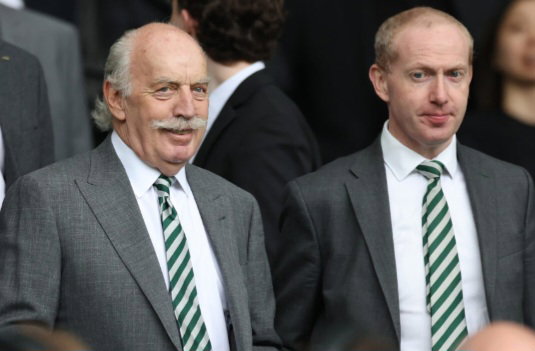
Celtic: Derek McInnes’ Comments Don’t Add Up – How Dare He Moralise?
The Rangers manager wants sympathy after his ban, but his own inflammatory words destroy his carefully constructed defence.
 Phillip Cooney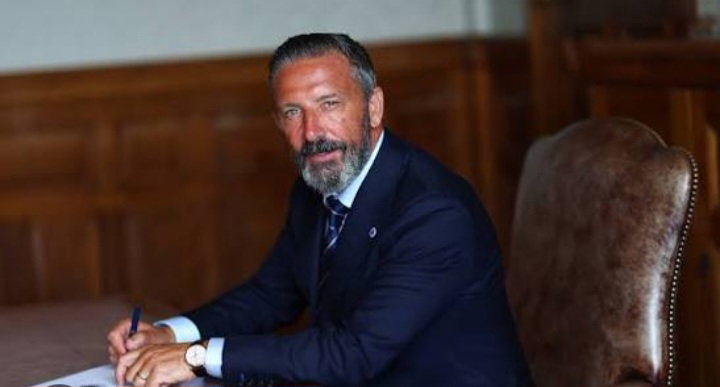
Celtic: Derek McInnes’ Comments Don’t Add Up – How Dare He Moralise?
Derek McInnes wants football to believe he has been treated unfairly. Following his touchline ban, the Rangers manager has embarked on a public defence of the comments that landed him in trouble, insisting he was simply being honest and never intended to make his criticism personal.
The difficulty with that argument is that his own words undermine it.
Nobody objects to managers speaking honestly. Football would be poorer if every post-match interview consisted of carefully rehearsed clichés. Passion is part of the game, and controversial decisions deserve debate.
However, there is a clear distinction between criticising a refereeing decision and creating the impression that your club is the victim of something much bigger.
McInnes crossed that line.
Describing the penalty decision as “disgusting” was already inflammatory. Going further by saying it felt like “us against everybody” elevated the debate beyond football. Those words inevitably encourage supporters to believe there is a wider pattern at work rather than a single controversial decision.
Whether that was McInnes’ intention is almost irrelevant. The effect of the comments is what matters.
WORDS FROM MANAGERS CARRY WEIGHT
Managers know the power their words carry.
Every interview is replayed across television, clipped for social media and debated by supporters within minutes. Comments made in frustration do not remain inside the stadium. They become part of the wider conversation surrounding Scottish football.
That is why leadership matters.
A manager has every right to question a penalty. He has every right to say the referee got it wrong. What he should avoid is language that risks inflaming an already toxic atmosphere around match officials.
McInnes now argues that broadcasters demand honesty. That may well be true.
What broadcasters do not demand is rhetoric that encourages supporters to view every contentious decision through the lens of grievance and suspicion.
THE EXPLANATION DOESN’T MATCH THE COMMENTS
McInnes insists he never wanted to make matters personal.
Yet his interview after the match did precisely that.
By speaking about being “up against everybody”, he moved beyond analysing a refereeing decision and into territory where officials, governing bodies and the wider game itself could all be perceived as part of the problem.
It is therefore hardly surprising that the Scottish FA concluded his comments breached its disciplinary rules.
He is entitled to appeal that decision. He is entitled to believe the punishment is excessive.
What he cannot reasonably expect is immunity from criticism when his own language helped create the situation in the first place.
ACCOUNTABILITY APPLIES TO EVERYONE
McInnes also presents himself as someone standing up for openness and honesty in football.
There is nothing wrong with that principle.
However, accountability works both ways.
Referees are analysed every weekend. Players are criticised every weekend. Managers should expect exactly the same level of scrutiny when their public comments cross the line.
Strong leadership is not measured by the volume of complaints after a controversial decision. It is measured by the ability to express frustration without fuelling unnecessary division.
Scottish football already has enough tribalism, enough conspiracy theories and enough hostility directed towards officials.
It needs influential figures to reduce the temperature, not raise it.
McInnes’ latest interview appears designed to soften the impact of his original remarks. Instead, it serves as a reminder of why those remarks attracted disciplinary action in the first place.
He remains perfectly entitled to disagree with the penalty. Every supporter understands that.
What is far less convincing is the suggestion that he is simply an innocent victim being punished for speaking honestly.
His comments did not exist in a vacuum. They carried influence, they shaped opinion and they inevitably had consequences.
That is why his latest explanation simply doesn’t add up.
 Eric Knott