Celtic Say They Never Expected Brendan Rodgers To Leave — So Explain Desmond’s Statement For Me Then?
 Bhoycie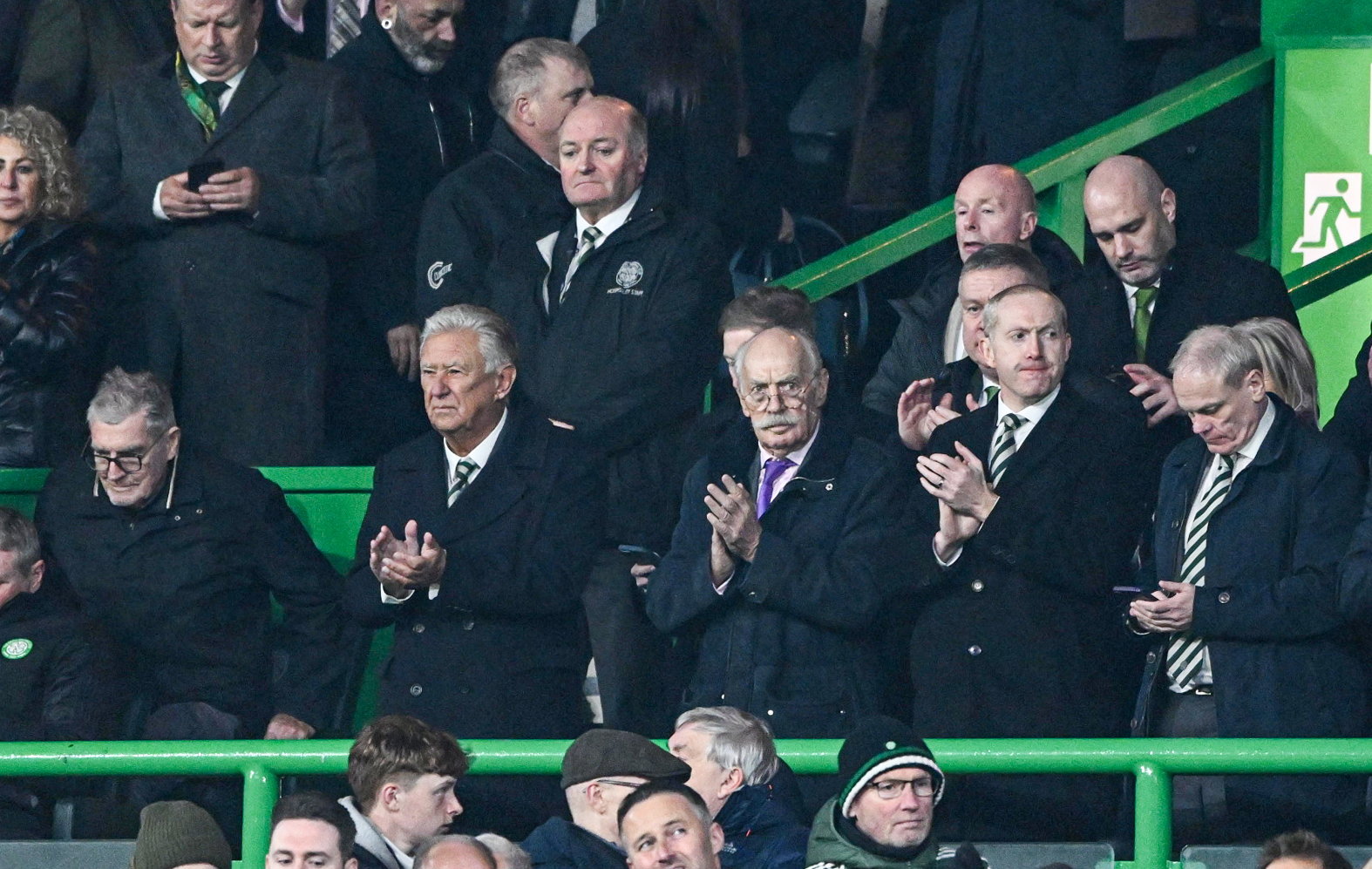
Celtic’s latest explanation surrounding Brendan Rodgers has left me with one pretty obvious question.
If his resignation genuinely came as such a shock to those running the club, how do they explain Dermot Desmond’s statement afterwards?
Because I’m struggling to make both versions of events fit.
According to comments attributed to Celtic during the recent Affiliation meeting, Rodgers’ departure was unexpected.
The club apparently hadn’t envisaged him leaving when he did, which subsequently affected the process of appointing his replacement.
Fair enough.
Except that isn’t remotely the impression Celtic gave us when Rodgers actually walked out the door.
And this is where the board tie themselves in knots.
Either they knew Desmond was about to use Celtic’s official website to launch what amounted to an attempted career assassination of Brendan Rodgers, or they didn’t.
If they unanimously approved it, how can they now seriously claim they were stunned when Rodgers decided he’d had enough and walked away?
The language in Desmond’s statement hardly suggested a harmonious working relationship with a manager whose departure nobody saw coming.
Alternatively, if members of the board didn’t know that statement was coming, that raises an even more uncomfortable question.
How weak are they that one shareholder can effectively commandeer the club’s official channels for such an extraordinary personal attack without their approval?
They can’t have this both ways.
Either they endorsed Desmond’s intervention and therefore knew exactly how poisonous the relationship had become, or they were bypassed entirely and allowed Celtic’s website to become Desmond’s personal megaphone. Neither version reflects particularly well on those supposedly running the club.
Desmond’s extraordinary statement following the manager’s resignation painted a picture of a relationship that had been deteriorating for some time.
Rodgers was accused of creating a “toxic atmosphere” around the club, while his conduct and communication were heavily criticised.
Nobody expects Celtic to predict the future. Managers leave football clubs and circumstances change quickly.
However, succession planning is part of running a major football operation, particularly when the manager concerned had already publicly discussed his contractual situation and, rather famously, had left Celtic unexpectedly once before.
There’s another issue here too.
Rodgers himself has barely needed to say anything since leaving.
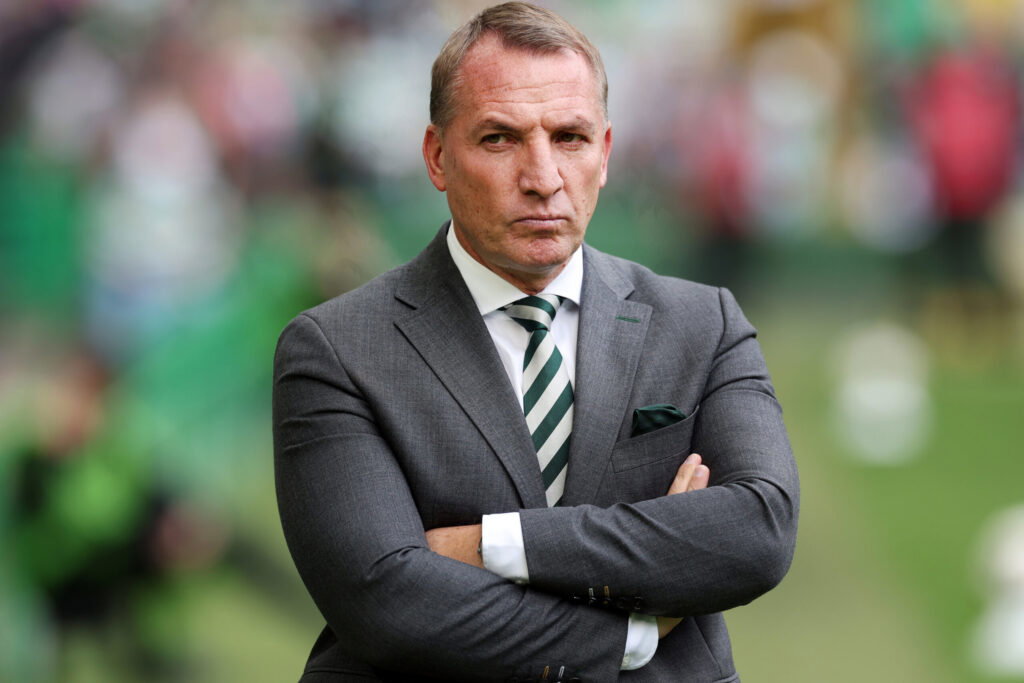
His silence has spoken a 1,000 words.
At the time, I wondered whether he would respond to Desmond’s statement. Instead, he has largely remained silent while Celtic’s own explanations have continued to create questions.
Perhaps that silence was the smarter strategy.
The more versions we hear about what happened towards the end of Rodgers’ second spell, the harder it becomes to reconcile them with what Celtic themselves told supporters at the time.
If Brendan Rodgers leaving Celtic really was an unforeseeable bolt from the blue, somebody needs to go back and read Dermot Desmond’s statement.
Because it certainly didn’t sound like it.
Keep Your Eyes On The Board.