 Site Staff
A Celtic matchday is rarely just about the ninety minutes between kickoff and the final whistle. For many supporters, the day begins much earlier, with team news, travel plans, conversations with friends and familiar routines that have been repeated across seasons. By the time the players walk out at Celtic Park, a large part of the experience has already happened.
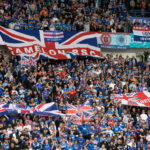
That is one reason football fandom feels so different from simply watching a sporting event. Ritual gives structure to the day, while shared habits turn individual support into something collective. Read Celtic has explored how chants, visual displays and supporter traditions shape the atmosphere around fixtures, reinforcing the idea that matchday belongs as much to the crowd as it does to the players.
The Build-Up Is Part of the Experience
Anticipation starts long before supporters reach the stadium. Some fans follow team news from the moment they wake up, while others have established meeting places, travel routes or pre-match routines that barely change from one fixture to the next.
Those habits matter because they create a sense of continuity. Squads change, managers come and go and competitions evolve, but the personal rituals surrounding football can remain remarkably stable.
A regular café, pub or meeting point can become associated with years of matches. Even small details, from which route someone takes to the ground to when they check the starting lineup, can become part of what makes a Celtic matchday feel familiar.
The Journey to Celtic Park Has Its Own Rhythm
For supporters attending in person, getting to the ground is not simply transport. The closer fans get to Parkhead, the more visible the occasion becomes through scarves, shirts, conversations and groups heading in the same direction.
Matchday travel has also evolved. Mobile tickets, navigation apps and live transport information now sit alongside routines that may have existed for decades. Read Celtic has documented how supporter habits have changed over time, with newer technology becoming part of the journey without completely replacing older traditions.
That combination of old and new is typical of football culture. Technology can make the practical side easier, but it does not replace the anticipation created by approaching a stadium with thousands of people heading towards the same destination.
Not Every Part of Matchday Needs the Same Intensity
A major fixture can demand hours of attention. Supporters may spend the build-up reading team news, then concentrate on the match itself before moving straight into post-match discussion. At some point, however, many people simply want entertainment that asks for a different level of engagement.
That could mean putting on music, watching something unrelated to football or playing a game at home. For those who enjoy casino entertainment, slots online at Mr Q offer another option, with MrQ featuring a broad catalogue that includes sports-themed slots alongside many other game styles. The platform is operated by Tek Fox Ltd and licensed and regulated in Great Britain by the Gambling Commission.
The contrast is part of what makes modern leisure flexible. A supporter can spend most of the afternoon deeply invested in Celtic and then choose something entirely different once the football conversation has quietened down.
Supporter Culture Extends Beyond the Stadium Gates
The strongest matchday traditions are not confined to seats inside Celtic Park. Supporters gather across Glasgow before and after fixtures, and major football occasions can influence the atmosphere of entire parts of the city.
STV News illustrated the scale of that wider supporter culture when it reported on expected Celtic fan gatherings around Trongate and Merchant City following a title-day fixture. The report showed how celebrations associated with the club can extend well beyond Parkhead and become significant city events in their own right.
That does not mean every fixture creates the same kind of gathering. It does show, however, that Celtic matchdays are capable of spilling naturally into the streets, hospitality venues and social spaces around Glasgow.
Songs Turn Individual Support Into Something Collective
Few elements of Celtic culture are more recognisable than the sound of the support. Chants and songs do something that statistics, scoreboards and television coverage cannot reproduce. They allow thousands of people to participate in the same moment.
Some songs are tied to particular periods in the club’s history, while others survive across generations. That continuity gives supporters a way to connect with people who followed Celtic long before the current squad existed.
Inside the stadium, singing also changes the emotional character of a fixture. A relatively ordinary league match can feel significant when the crowd is fully involved, while quieter periods can make even an important occasion feel strangely flat. This is why atmosphere is not simply decoration around the football. For many supporters, it is part of the football.
Food, Drink and Familiar Faces Matter Too
Not every matchday tradition is dramatic. Some of the strongest routines are built around ordinary things, meeting the same people, eating in the same place or having the same conversation before walking towards the ground.
Football provides the reason to meet, but the relationships often become important in their own right. Someone may have spent years sitting near the same supporters without ever meeting them outside matchday, yet those familiar faces still become part of the experience. This helps explain why attending in person feels different from watching alone at home. The game matters, but so does everything surrounding it.
The Final Whistle Rarely Ends the Conversation
A victory creates one kind of post-match routine, while a frustrating draw or defeat creates another. Either way, supporters usually have something to discuss. Tactical decisions are picked apart, individual performances are debated and attention often moves immediately towards the next fixture. In the age of social media and fan media, those conversations can continue for days rather than fading once everyone leaves the stadium.
That extended reaction gives football a life beyond the actual match. A ninety-minute event can generate hours of discussion beforehand and several days of debate afterwards. For a club followed as intensely as Celtic, the spaces between fixtures are rarely completely quiet.
Big Matches Intensify Existing Rituals
European nights, derby fixtures and title-deciding games do not create supporter habits from nothing. They amplify routines that already exist. People arrive earlier, conversations are louder and anticipation begins further in advance. Tickets, travel and meeting arrangements can become more complicated, while the emotional stakes make even familiar rituals feel more important.
The stadium changes as well. Visual displays, songs and crowd reactions tend to carry extra weight when the occasion is significant. That is why memorable matchdays are often remembered as entire days rather than isolated matches. Supporters recall where they met, who they travelled with and what happened before and after the football, not simply the score.
Ritual Is What Makes One Matchday Different From Another
From the outside, football fixtures can look repetitive. The same stadium hosts another game, supporters enter through the same gates and the basic structure remains unchanged.
For the people involved, repetition is precisely what gives the experience meaning. Familiar routines connect one season to another and allow new memories to build on older ones.
Celtic matchdays work this way particularly strongly because the club’s supporter culture is built around participation. Songs, travel, meeting places, discussion and post-match reactions all give the fixture a shape that stretches far beyond kickoff.
The ninety minutes remain the centre of the day, but they are only one part of what supporters remember. The rituals around them are what turn another entry on the fixture list into a Celtic matchday.
Image Source: unsplash.com