
John McGinn reveals all from 2018 transfer shambles amidst rumours that Ross Desmond will become the next Celtic chairman…
Rumours start to swirl that Ross Desmond will be the next Celtic chairman, as John McGinn reveals his 2018 dealings with Celtic
 Eric Knott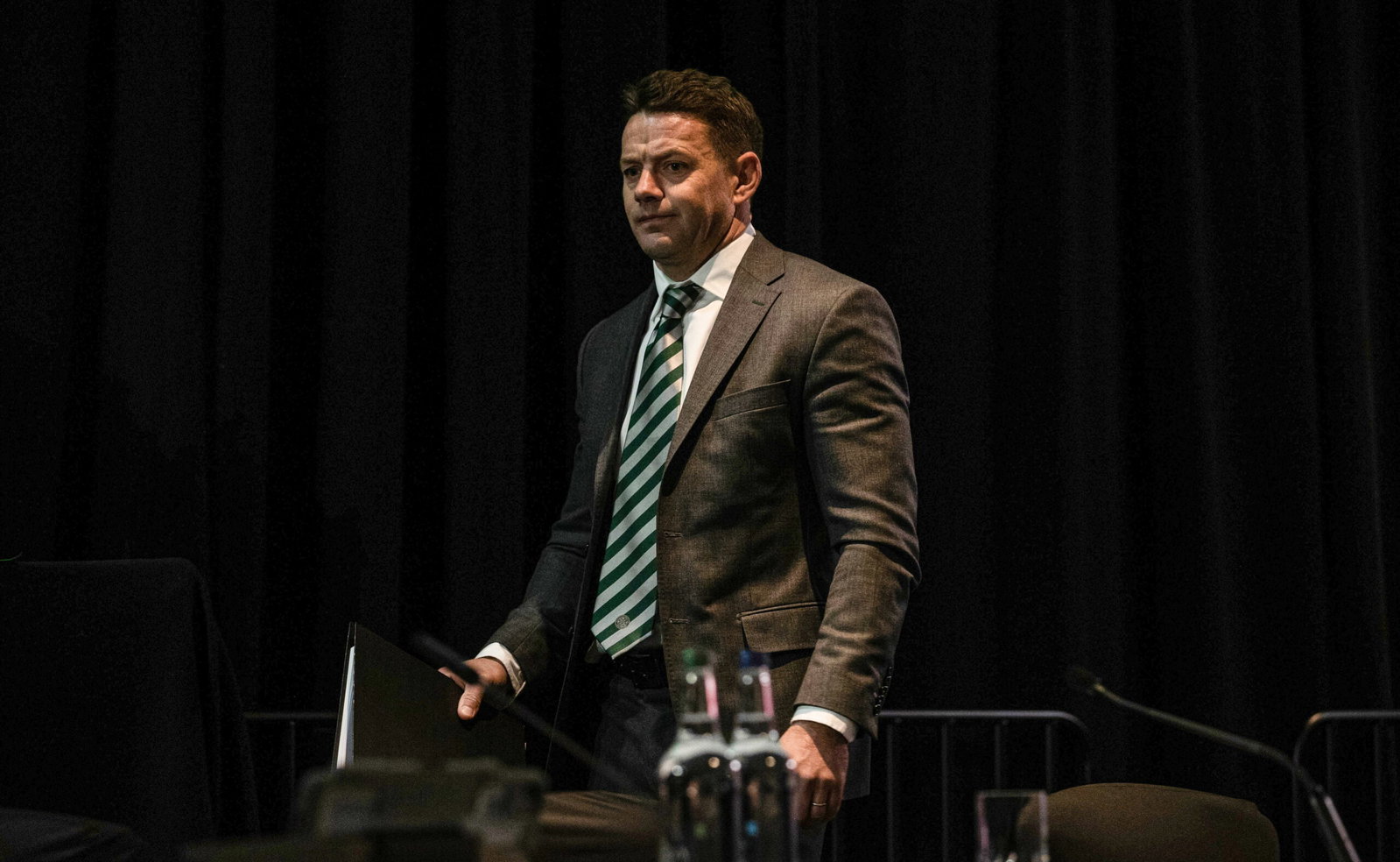
GLASGOW, SCOTLAND - NOVEMBER 22: Ross Desmond during the 2024 Celtic Annual General Meeting at Celtic Park, on November 22, 2024, in Glasgow, Scotland. (Photo by Craig Williamson/SNS Group via Getty Images)
Since Tuesday night in Linz, the rumour mill hasn’t stopped turning.
And what’s coming out of it isn’t a resignation.
It isn’t a reckoning, and it certainly isn’t an apology.
The word doing the rounds is that Ross Desmond is about to be appointed as the next Chairman of Celtic Football Club.
Read that back to yourself.
We get humiliated by LASK, we hand qualification to a side whose biggest outlay this summer was £1.5 million, and the board’s answer is to hand our club to the son of the man who broke it.
That isn’t backing down.
That’s doubling down.
They looked at the wreckage in Austria and decided the real problem was a shortage of Desmonds.
Because that is what this is.
There is no other reading of it available to us.
For years we were told that Dermot Desmond is simply the majority shareholder, a hands-off investor who lets his executives get on with the job.
Does anybody still believe that?
Nobody has believed it for a very long time.
But the absent meddling golfer can hardly bring himself to attend a game, he can’t bring himself to attend an AGM, and yet not one decision of consequence gets made at Celtic Park without his say so.
And now the succession plan is being drawn up right in front of us.
Not a succession for the club.
A succession for the family.
If you want to know how the support feels about Ross Desmond, cast your mind back to last year’s AGM.
You’ll remember how that one ended, don’t you?
We all remember it.
Desmond Jnr stood up and read out his father’s message to a room full of shareholders – the man himself couldn’t be bothered turning up to deliver it in person – and the whole thing descended into chaos.
The AGM was shut down early.
Our own people, the shareholders in our own club, were treated like an inconvenience.
That was his audition for the Chairman’s seat.
And apparently, he passed.
While all of that bubbles away, John McGinn has reminded us that not a bit of this is new.
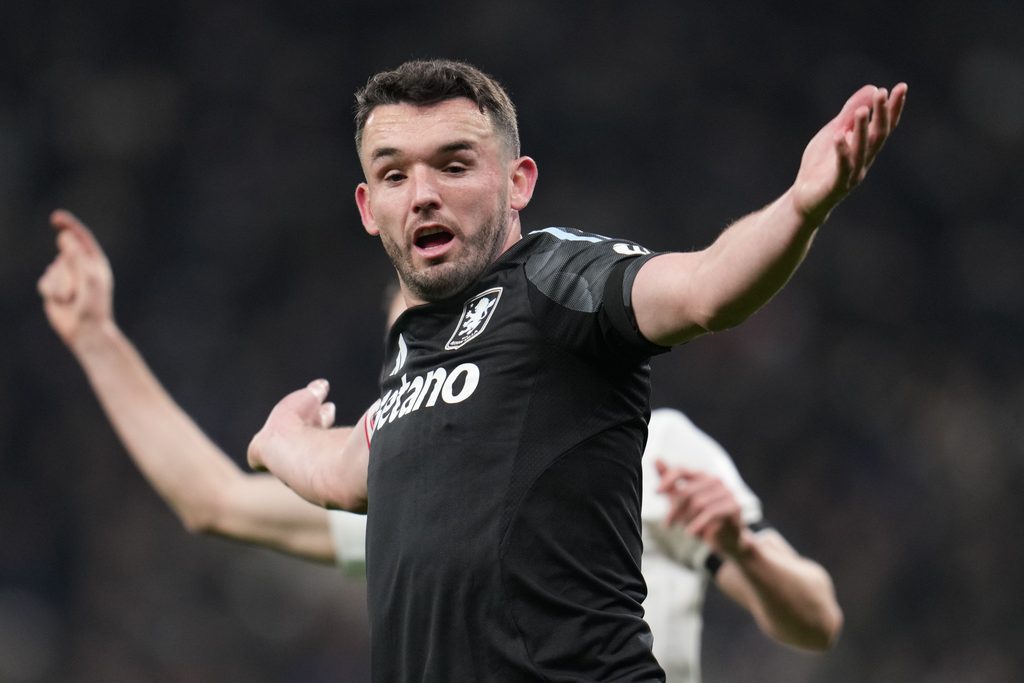
The Villa midfielder was on The Overlap this week, and as the Daily Record picked up, he lifted the lid on the 2018 move to Celtic that never happened.
His grandfather Jack was our Chairman between 1986 and 1991.
He was a Celtic supporter, Brendan Rodgers wanted him badly, and the deal was sitting there to be done.
Here is what he had to say on it:
“I think the irony is: if [Jack] wasn’t my grandpa and I wasn’t a Celtic fan, I probably would be a Celtic player. I think they felt, because I was a Celtic fan, it would just happen. Nobody else would come in, and Hibs would crumble.”
There it is.
In one paragraph, a player who lived through it has laid the entire Celtic transfer strategy bare.
They thought his boyhood support would do the negotiating for them.
They thought Hibs would crumble.
And how did that one work out for us?
The board sat there haggling over a few hundred grand, and while they haggled, Aston Villa strolled in and paid the boy what he was worth.
£2.8 million.
That is what it cost Villa to take a Scotland international off our hands.
A few hundred grand, was it worth it?
And McGinn is pretty clear that Hibs were never the villains of this piece:
“Hibs were amazing at the time. They said, ‘We’re not going to stand in your way. We know you want to be a Celtic player, but they need to pay us what you’re worth.'”
Hibernian behaved impeccably throughout.
But we bid a few times, never got anywhere near it, and let the thing die on its feet.
He’s 31 now, he won a Europa League with Villa last season, and he’s spent eight years being the midfielder we should have had.
Then again, he’s done us a turn by speaking up.
Because look at when all of this happened.
We went out to AEK Athens in 2018, and the window that followed was a shambles – sound familiar?
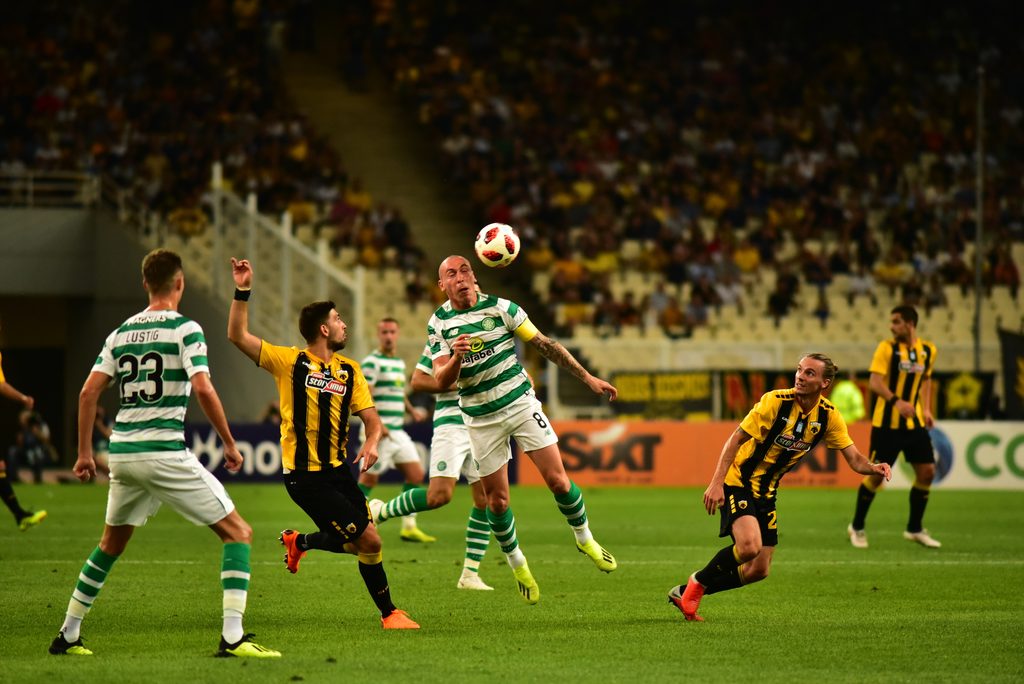
After an interesting game, AEK has won 2-1 Celtic in Athens. (Photo by Dimitrios Karvountzis/Pacific Press/LightRocket via Getty Images)
It should do.
The circumstances this time round are almost identical.
Crash out of Europe, watch £40 million evaporate, then retreat into the shell and quibble over pennies until the window slams shut.
Rodgers walked out on us months later, and we were assured at the time that the lessons had been learned.
Eight years on we’re staring at the same window, with the same board, and the same instinct to save a few quid rather than build a team.
Only this time they want to make it permanent.
Appointing Ross Desmond isn’t a change of direction, it’s a guarantee that there will never be one.
That’s the part people need to sit with.
A new Chairman should mean fresh eyes and a fresh set of questions.
This one means the same eyes and the same instructions, only younger.
It locks the model in for another twenty years, so what exactly is it that we’re all supposed to be looking forward to here?
Europe in August, out by September, and a trophy or two at home to keep us quiet.
DOMESTIC BLISS.
That’s the offer on the table, and they’re betting the house that we’ll keep buying it.
Will we?
They’ve had eight years to show us they learned something from 2018.
The only lesson they ever took from it was that we’d renew anyway.
Keep your eyes on the boardroom…
Key Takeaways
- Rumours suggest Ross Desmond is set to be appointed Chairman of Celtic Football Club, which fans see as a troubling sign of continuity rather than change.
- Celtic’s board, led by Dermot Desmond, appears to prioritize family succession over club improvement, fueling fan discontent.
- John McGinn’s failed transfer to Celtic in 2018 highlights the board’s poor decision-making and transfer strategy, leading to missed opportunities.
- The club’s recent history mirrors previous failures, including a crash out of Europe followed by penny-pinching in the transfer window.
- Appointing Ross Desmond signals a lack of real change in direction for the club, leading fans to question future success.
Choose Read Celtic as a ‘Preferred Source’ on Google News for quick access to the news you value.