
Chris Sutton Is Wrong About Celtic and Carter-Vickers — Martin O’Neill’s Uncertainty Is the Real Problem
Carter-Vickers told an uncomfortable truth about Celtic. The bigger concern is a manager publicly questioning whether he wants to remain in the job.
 Phillip Cooney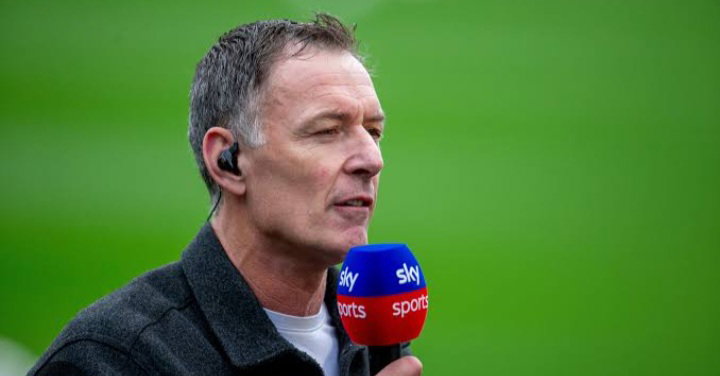
I think Sutton has this completely the wrong way round.
Carter-Vickers did something footballers are constantly criticised for not doing: he gave an honest answer.
Speaking after the 1-0 defeat, the Celtic defender said the team had played “a bit too random” and needed “a script” they could stick to. He talked about players needing something to fall back on in high-pressure matches.
But there is an important part of his interview that shouldn’t be conveniently ignored.
Carter-Vickers also said: “As players, we can do better for sure.”
He insisted the group remained together and said he was confident in the players Celtic have.
That doesn’t sound like mutiny to me.
It sounds like an experienced Celtic player publicly acknowledging something many supporters have been watching with their own eyes: this team currently lacks clarity and consistency.
Sutton’s criticism goes too far
Sutton wrote in the Daily Record that Carter-Vickers had “chucked petrol on the flames” and suggested the Martin O’Neill he played under 25 years ago would never have tolerated it.
But Sutton then makes an admission which, for me, gets much closer to Celtic’s real problem.
He acknowledges that O’Neill himself “created this narrative” about potentially walking away.
Exactly.
Which is more destabilising?
A senior defender saying Celtic’s football has become too random — while simultaneously accepting that the players themselves must improve — or the Celtic manager publicly questioning whether he should continue in the job?
For me, there is no comparison.
After the Rangers defeat, O’Neill said he would speak with the board and take time away to consider matters. His future immediately became one of the biggest stories surrounding Celtic.
That uncertainty came from the manager, not Cameron Carter-Vickers.
Celtic cannot operate on uncertainty
I have enormous affection and respect for Martin O’Neill.
His place in Celtic history is secure.
But nostalgia cannot determine who manages Celtic in 2026.
O’Neill was appointed in June on a one-year contract with a one-year option. This isn’t an interim appointment anymore. He is Celtic’s manager.
That demands total commitment.
If O’Neill genuinely needs to ask himself whether he still wants the job this early in the season, Celtic need an answer quickly.
You cannot ask players to be completely committed to a manager while the manager is publicly considering whether he wants to continue managing them.
And that brings me to another concern.
I want Celtic’s manager to be a full-time, everyday presence around this football club. At Lennoxtown. Around the players. Working with them, understanding them and building relationships with a squad containing numerous new arrivals.
There is no evidence that Celtic officially employ O’Neill as a part-time manager, and he has certainly been documented working at Lennoxtown.
But my concern is whether Celtic are getting the constant day-to-day managerial presence this situation demands. If the manager is not there every working day with his players, then in my view that simply isn’t enough.
Celtic don’t need something resembling a part-time managerial arrangement.
They need full-time leadership.
Carter-Vickers is entitled to speak
Sutton is perfectly entitled to disagree with Carter-Vickers.
But I don’t accept that a player saying something uncomfortable automatically makes his comments “pathetic”.
If Celtic’s coaching isn’t working, I want to know.
If players don’t understand their instructions, I want to know.
If tactical changes are causing confusion, I want to know.
And if Carter-Vickers believes Celtic’s football has become too random, why should he pretend otherwise?
Players must take responsibility. Carter-Vickers himself said exactly that.
But coaches must take responsibility too.
So must the manager.
And so must the people above him who constructed this squad and football operation.
Martin O’Neill remains a Celtic legend. Nothing happening today changes what he achieved for this football club.
But Celtic cannot be managed through sentimentality.
If O’Neill decides he is completely committed to continuing, then Celtic need the full-time, fully invested Martin O’Neill.
If he genuinely believes it may be time to walk away, then perhaps Celtic need to accept that answer rather than desperately hoping emotion and history will persuade him otherwise.
Because Celtic need a manager who knows he wants to be Celtic manager.
Not one who needs time to decide.
Key Takeaways
- Cameron Carter-Vickers said Celtic were playing “too random”, but also explicitly accepted that the players themselves must improve.
- Chris Sutton branded his comments “pathetic” and a “cop-out”, criticism I believe ignores the full context of the interview.
- Martin O’Neill himself publicly introduced uncertainty over his Celtic future after the Rangers defeat.
- Celtic appointed O’Neill on a one-year contract, not as an interim manager, and the role requires complete commitment.
- Celtic now need clarity: a fully committed, full-time manager who is immersed in the job every day.