
Tennis Balls Thrown at Dermot Desmond – Celtic’s Growing Frustration Is Reaching Boiling Point
 Aodhán Ó Conchobhair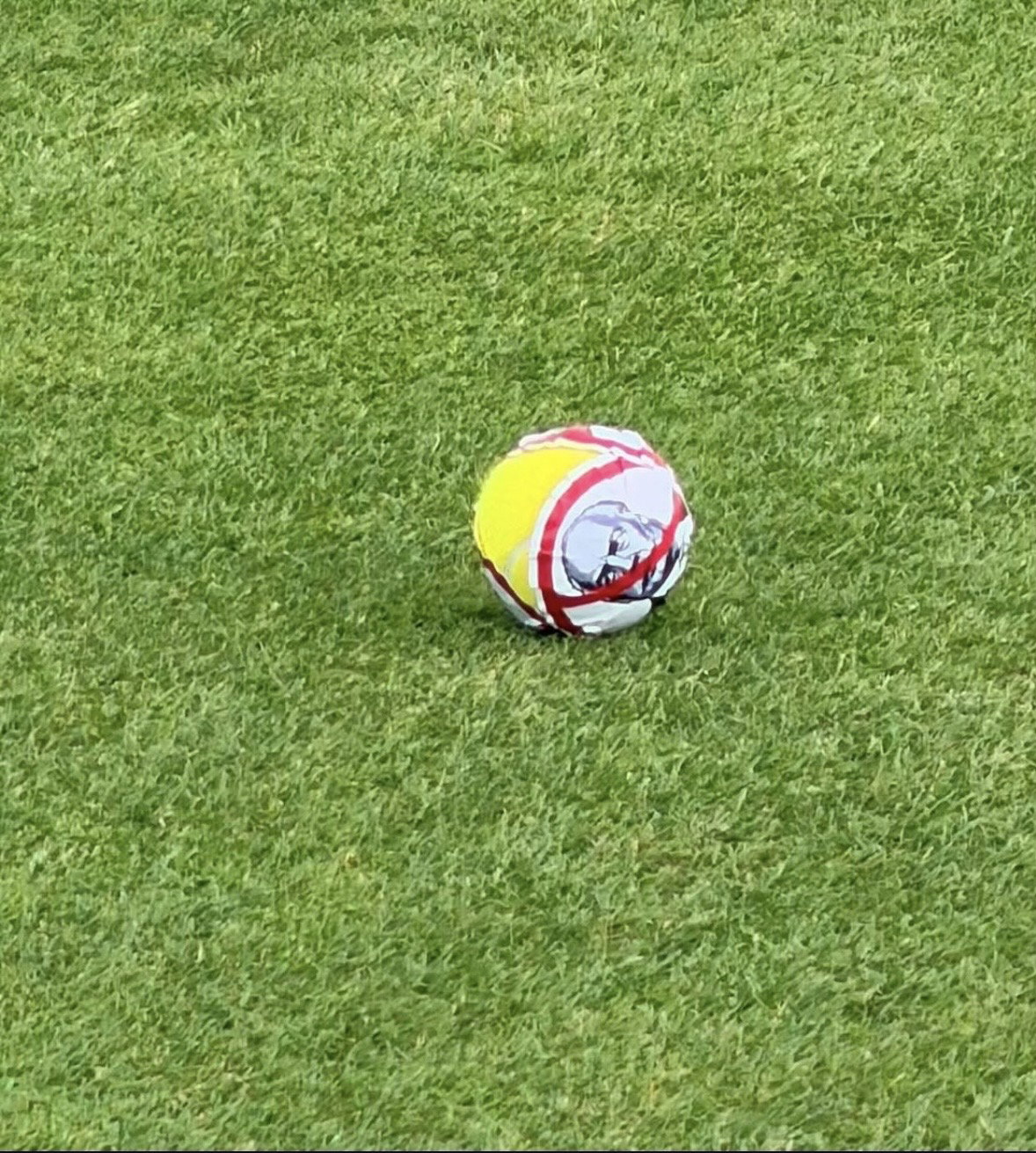
Screenshot
There is a picture emerging around Celtic that the board simply cannot afford to ignore any longer. Reports from St Andrews claim that individuals ran to the edge of the golf course and threw tennis balls towards Dermot Desmond as he played.
Let’s be clear: we can understand why supporters are angry without pretending that throwing objects at someone is the answer. But if these reports are accurate, they are another indication of just how toxic the relationship between sections of the support and Celtic’s principal shareholder has become.
And that should worry everyone involved with our club.
For years, Celtic supporters have been asked to accept the decisions made at boardroom level, trust the people in charge and believe that the club’s interests are being put first. Yet the same frustrations keep returning: questions over investment, recruitment, communication, ambition and accountability.
Supporters are not simply upset because of one result or one transfer window. This is about a much wider feeling that the people running Celtic are disconnected from the expectations of the people who fill the stands, buy the merchandise and follow the club through thick and thin.
The problem is that the frustration keeps building, while meaningful answers remain in short supply.
Desmond is the principal shareholder, and that brings responsibility. Nobody is suggesting that every decision at Celtic rests solely with one individual, but supporters are entitled to question the direction of the club and the influence of the people at the very top. When the same concerns persist season after season, pointing at the manager or blaming the latest poor run of form will never tell the whole story.
Managers come and go. Players arrive and leave. But the questions about the club’s long-term direction, its recruitment strategy and its willingness to invest in sustained progress keep coming back.
That is why this cannot simply be dismissed as another episode of supporters losing their heads after a difficult spell. There is a deeper issue here: a growing breakdown in trust.
Celtic is a football club built on its supporters. The board may control the decisions, but it does not own the passion that makes Celtic what it is. That passion comes from generations of people who have invested their time, money and emotion into the club, often accepting disappointments because they believe there is something bigger to support.
When those people feel ignored, resentment grows. When concerns are met with silence or defensiveness rather than meaningful engagement, that resentment only gets worse.
But anger needs to be channelled into accountability, not intimidation. Throwing tennis balls might make headlines, but it will not produce a better recruitment strategy, a stronger squad or a clearer plan for Celtic’s future. Those things require scrutiny, organisation and sustained pressure for answers.
The board should not need a golf-course incident to understand that supporters are unhappy. The warning signs have been there for some time. The question is whether those in power are prepared to listen before the divide becomes even harder to repair.
Celtic supporters want a club that matches their ambition. They want investment where it is needed, recruitment that makes sense, honest communication and people at the top who can explain their decisions and be held accountable for them.
That is hardly an unreasonable demand.
The club cannot keep relying on its history, its fanbase and the loyalty of its supporters while treating questions about its direction as an inconvenience. There comes a point when goodwill starts to run out, and rebuilding it takes far more than a statement or a promise.
If the reports from St Andrews are accurate, the tennis balls are the latest symbol of a relationship that needs serious attention. They should not distract from the real issue, nor should they become an excuse to ignore the legitimate questions being asked.
The answer is not to throw things at Dermot Desmond. The answer is to make sure Celtic’s leadership can no longer avoid the conversation about where this club is going.
Because Celtic belongs in the conversation about ambition, accountability and progress – not in a permanent cycle of frustration, division and managed decline.




The board don’t want discussions with anyone but themselves.