Celtic Trust Tears Into Desmond as Fans Demand an End to His Boardroom Grip
Supporter shareholders challenge Dermot Desmond's influence and demand three concrete changes at Celtic.
 Phillip Cooney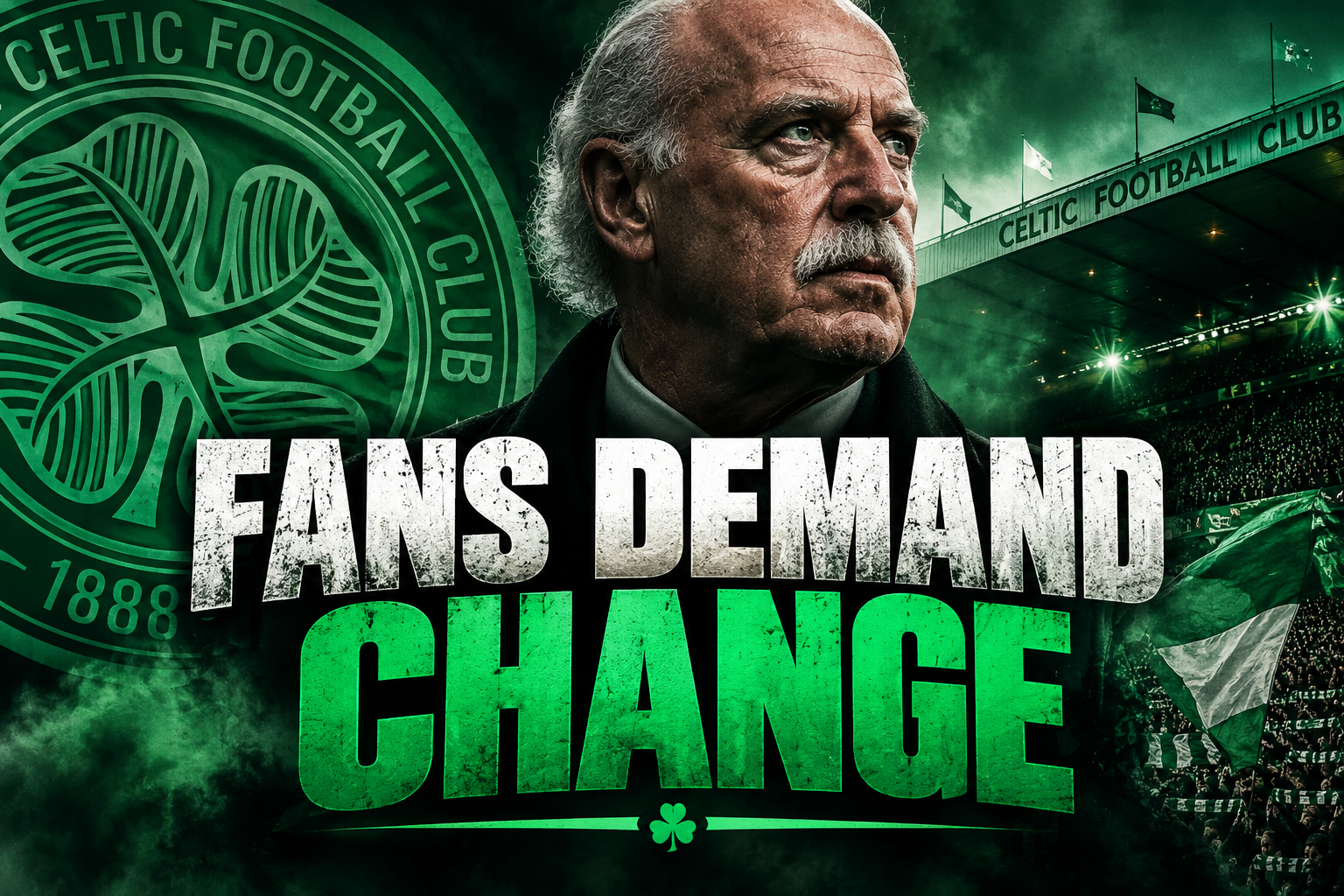
Celtic’s increasingly poisonous relationship with sections of its support has taken another extraordinary turn, with the Celtic Trust launching a fierce attack on Dermot Desmond and demanding meaningful change at boardroom level.
In a statement published on Saturday, the shareholder organisation condemned the reaction to the recent St Andrews protest and reaffirmed its commitment to the Celtic Fans Collective.
But this latest intervention goes considerably further than another angry exchange between supporters and directors.
Celtic Trust Challenges Desmond’s Authority
The Trust described Desmond’s reaction to the golf-course protest as “irrational and wild”, while questioning the influence he exercises over Celtic’s public communications.
The club had condemned the incident, during which tennis balls were thrown onto the course, and announced its intention to impose indefinite bans on those responsible.
Celtic maintains that supporters have the right to protest peacefully but insists the St Andrews incident crossed the line into unacceptable disruption.
That distinction matters. However, it does not answer the wider questions surrounding the board’s relationship with supporters.
Why has a football club with Celtic’s history reached the point where its principal shareholder and organised supporter groups appear almost incapable of constructive dialogue?
Three Demands Celtic Cannot Ignore
Perhaps the most significant development is the Trust’s determination to turn supporter frustration into formal shareholder action.
It has outlined three proposed resolutions for Celtic’s 2026 AGM.
The first demands a published three-to-five-year strategic plan addressing the club’s business and football performance.
The second calls for an examination of Celtic’s security department alongside elected supporter representatives.
The third seeks an apology from the board over its handling of Ross Desmond’s controversial intervention at the 2025 AGM.
These are not simply complaints shouted from the stands. They are specific proposals seeking accountability through the club’s own corporate processes.
Celtic Board Faces an Uncomfortable Choice
The Trust has also reaffirmed its support for the Celtic Fans Collective, despite Celtic publicly questioning whether the organisation credibly represents the wider support.
The board is entitled to challenge unacceptable conduct. Supporters are equally entitled to demand explanations for decisions affecting their club.
But dismissing organised criticism is not a substitute for answering it.
Celtic’s directors now face a choice: engage seriously with the substance of these resolutions or risk reinforcing the perception that meaningful accountability is unwelcome.
Desmond Must Answer the Bigger Questions
The most damaging aspect of this dispute is that the Trust’s demands are hardly unreasonable.
A credible long-term strategy, supporter involvement in security matters and accountability at shareholder meetings should not be controversial ambitions.
For too long, the argument has revolved around how supporters express their anger rather than why so many have become disillusioned.
Dermot Desmond cannot expect that frustration to disappear through another strongly worded statement.
The Celtic Trust has placed concrete demands on the table.
Now the board must decide whether it is prepared to answer them.