Celtic’s £2m fan revolution – is Dermot Desmond finally facing a challenge he cannot ignore?
Paul McStay's supporter alliance reaches 5,000 members as Celtic fans organise a multi-front challenge to the board.
 Phillip Cooney
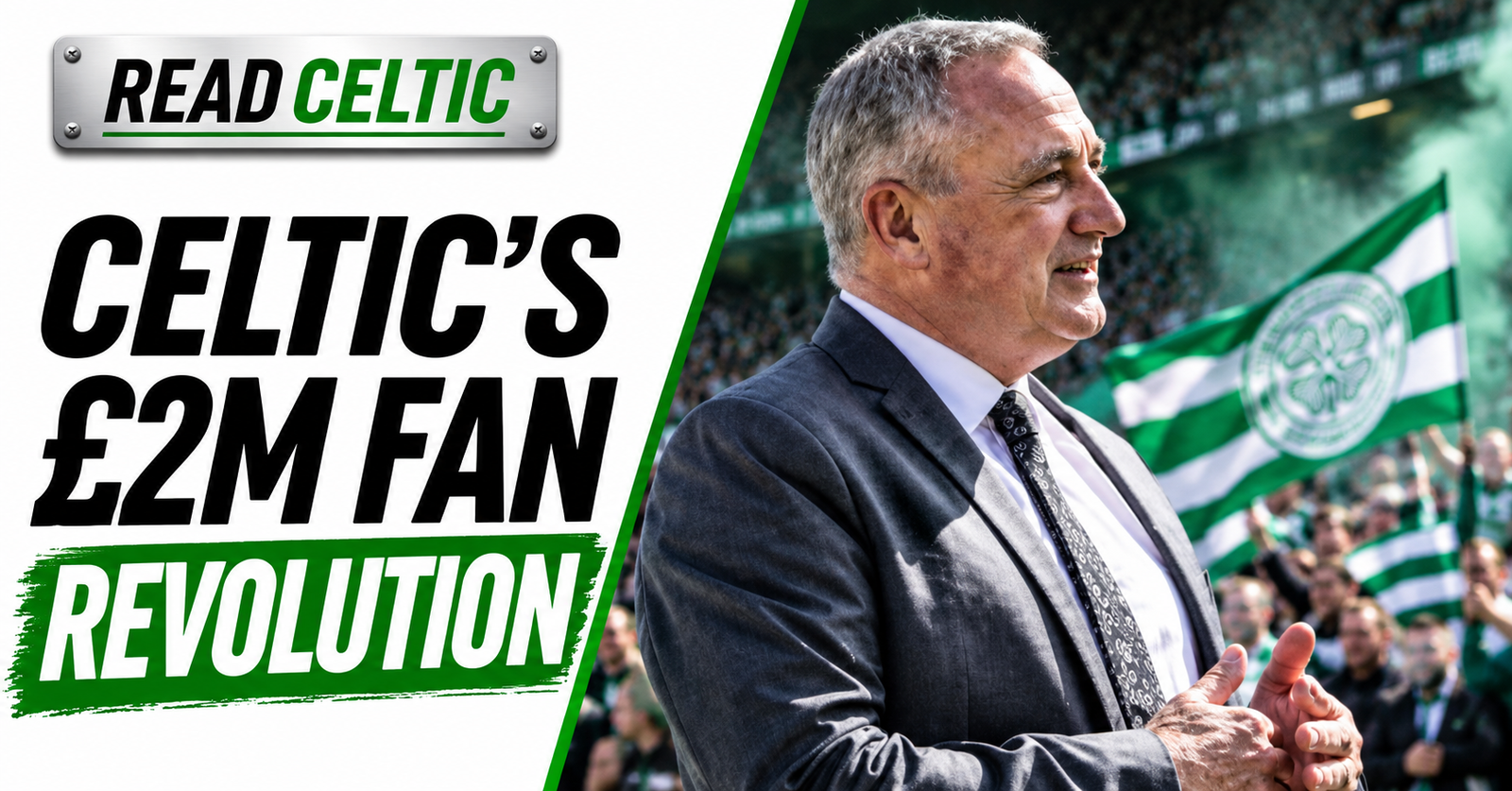
Paul McStay has revealed that around 5,000 Celtic season-ticket holders have joined the Season Ticket Alliance, bringing supporters halfway towards triggering Willie Haughey’s first £2 million share-purchase pledge.
And if I were sitting in Celtic’s boardroom, I’d be paying very close attention.
Because this is no longer simply about angry supporters holding banners or demanding answers.
It’s about organised fans building influence.
Celtic’s £2m opportunity
As The Scotsman reported, Haughey has pledged to purchase £2 million worth of Celtic shares when 10,000 season-ticket holders join the Alliance.
McStay, who supports the initiative, believes fans deserve representation in the boardroom.
He’s absolutely right.
For years, Celtic supporters have invested their money, loyalty and emotions into this club while major decisions have remained in the hands of a relatively small group.
And what have they received in return?
European disappointments, recruitment failures and communication that too often resembles a lecture rather than a conversation.
Dermot Desmond is a major shareholder, not the owner of Celtic Football Club.
Somebody should remind the hierarchy of that distinction.
Celtic supporters are attacking from every angle
What makes the current movement so encouraging is the range of organisations challenging the status quo.
The Celtic Fans Collective is demanding transparency, accountability and changes to the club’s leadership.
The Celtic Trust continues to champion shareholder democracy.
Other supporter organisations are pursuing governance questions, protests, boycotts and greater representation.
Meanwhile, McStay and the Season Ticket Alliance are attempting something different: building a meaningful shareholding.
I support every legitimate attempt to make this board accountable.
And I don’t believe supporters should have to choose one organisation over another.
Could Celtic’s groups become one powerful force?
Ideally, I’d love to see every major supporters’ organisation working under a shared strategy.
Imagine the Collective, Celtic Trust, Season Ticket Alliance, Green Brigade and other supporter representatives coordinating their demands.
One clear message. One set of priorities. A united front.
That would be a formidable prospect for any boardroom.
However, there’s another argument worth considering.
Perhaps attacking the problem from different directions is equally effective.
One group challenges governance. Another builds voting influence. Others organise public pressure.
The methods differ, but the objective should be the same: a better-run Celtic.
What matters is that personal disagreements don’t allow the board to divide the support.
Celtic’s board must answer to its supporters
McStay has already spoken with Michael Nicholson about the importance of supporters having a voice.
But why should Celtic require one of its greatest-ever players to explain something so obvious?
Supporters aren’t asking to select the team or negotiate transfers.
They’re demanding transparency, ambition and proper accountability.
And after years of frustration, that seems entirely reasonable.
The December AGM provides another opportunity to ask difficult questions.
The board can continue treating criticism as an inconvenience.
Or it can recognise that Celtic supporters are organising in ways that could eventually give them genuine influence.
I know which side I’m on.
The supporters built Celtic’s identity. The directors are temporary custodians.
And the sooner those directors remember that, the better.
Key takeaways
- Around 5,000 season-ticket holders have joined the Alliance.
- Willie Haughey has pledged £2 million in share purchases once membership reaches 10,000.
- McStay wants meaningful supporter representation.
- The Celtic Fans Collective, Celtic Trust and other groups are pursuing different forms of accountability.
- A shared strategy could make the supporter movement even more effective.
Further reading
- Celtic’s astonishing demand to Paul McStay – who the hell do this board think they are?
- Celtic shareholders deserve answers about the 2005 deal