 Site Staff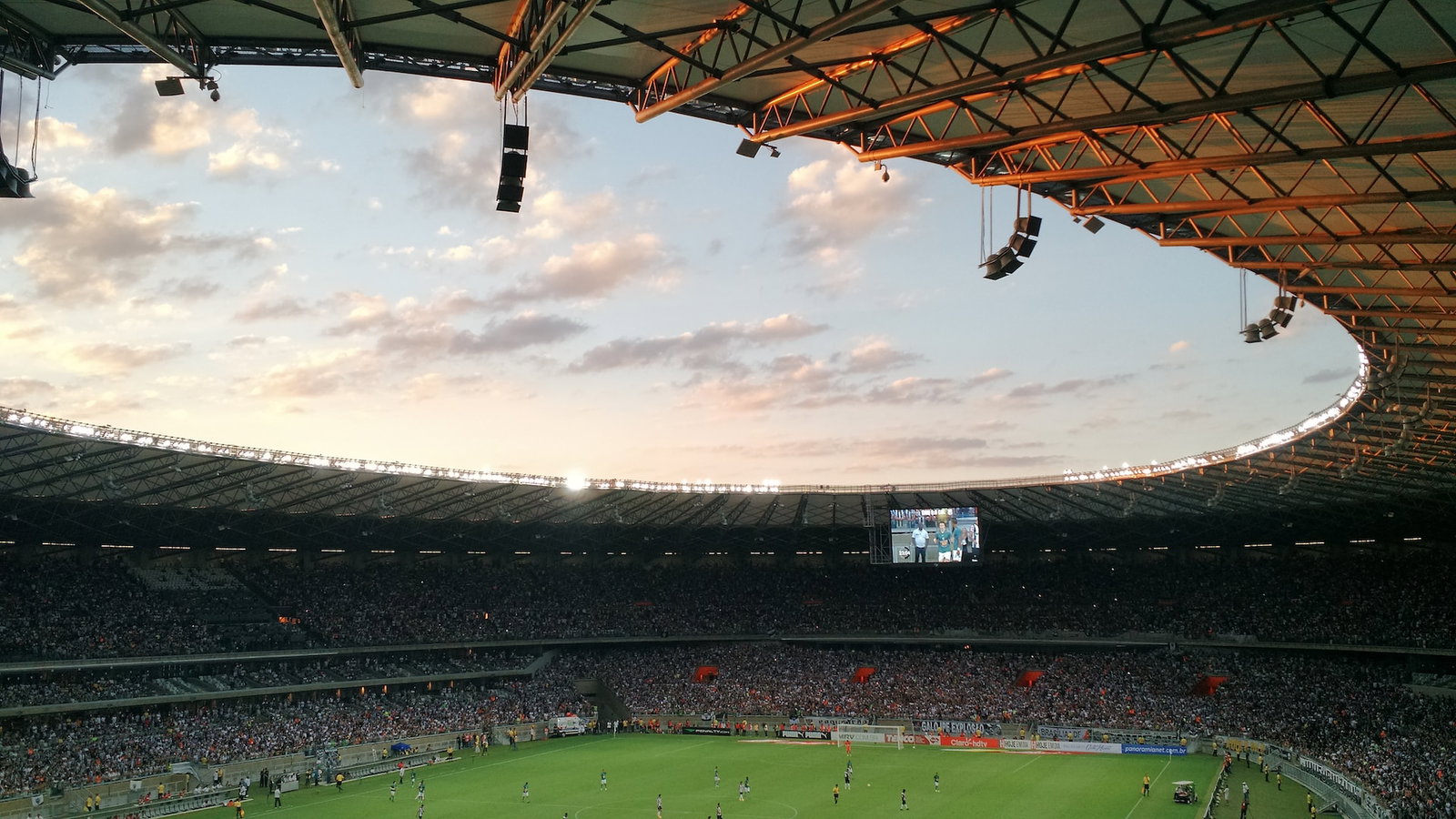
Celtic are never a normal club going about normal business. They are Scotland’s champions, they dominate the Glasgow derbies, they feed the crowds for European nights. So while the majority of other clubs are trying to reach that sort of plateau, the Hoops are always trying to find another gear. And that’s not easy. Leading the charge of Scottish football week in and out is a big ask. But then when you add Europe into the equation, the stakes are greatly reduced if you can just be patient, make a few better decisions and maintain your shape when things get really tight.
Rather than getting caught up in all the loud and flash transfer rumors such as Vegas Hunter let’s get into the ethos behind building a great squad and for Celtic right now that means 5 small changes in order to become a better team, namely better rotation, sharper recruitment, cutting out of waste from set pieces, a calmer defending unit and lastly a better bench to affect the final twenty minutes of a match rather than just to survive it.
The Domestic Machine Still Requires a Second Gear
The domestic opposition will normally be blown away by the aggressive style of play that the fans are so familiar with. The ball is pinged out wide, the press is applied early and Celtic players swarm all over the back of the opposition. The back line is encouraged to push up and the fans can sense when the opposition’s defense is about to be breached.
It may not always work like that in Europe
A European side able to invite pressure on the Celtic defence, to push their full-backs up the pitch and then rapidly play through two quick passes in the vacated space. That same bold structure looks more hazardous for a time.
Training Should Feel a Bit Uncomfortable
Training can’t mimic a European away match perfectly – it’s a normal league match, played on your home turf with the same 11 players, but the smaller pitch, the quicker opponent, the strange (dramatically) different crowds, and somehow a less safe ball to play with.
While a normal league match cannot reproduce the ferocity of a European away match, training should not training be a little uncomfortable for the players? All the drills that prepare them for a match should include a few moments of losing possession of the ball – here, for example, a full-back who has made a high run down the wing has lost the ball. They should practice defending quickly against a team that presses high, playing through pressure to find space when the straightforward option has gone. They should practice protecting the middle of the park when things are not going well.
Video work must remain sharp. The players do not need to spend hours studying the tactics in meetings with loads of arrows and theory. Three relevant clips are enough to get them to work on the right things.
The most useful questions are simple:
- Where does the danger usually begin?
- Which pass must be blocked first?
- When should the winger stay wide?
- When should the full-back refuse the overlap?
- Who in the team can slow the game down when it starts to get ‘at Celtic Park’ and the crowd are getting nervous?
These may seem like the smallest of details until you lose a match on the back of them in a knockout tie.
Celtic Identity Still Has to Travel
You can’t play European away matches if you’re going to lose the Celtic identity at home. The Club’s best and biggest asset is its Academy and all the related elements and the one thing that sets the Club apart from other teams in Scotland is its noise, attacking style and late late late equalizers at Celtic Park. All of this has to be preserved as the Club embarks on a squad plan designed to enhance Celtic’s progress in European competition. Cold, hard, analytical squad planning is required but the pulse of the Club must not be lost in the process.
Of course, Scotland already sees enough of Celtic dominating at home. Now it is time for Celtic to create a squad that can carry this confidence over to Europe and deal with the tougher questions than just dominating at Celtic Park on a cold winter night. No ‘big signing’ required, just good planning, good habits and a team capable of dealing with more than just one type of match.
Image Source: unsplash.com
 Eric Knott