
Celtic VAR Hypocrisy: Where Is Kris Boyd’s Outrage After Paisley Chaos?
Why does Scottish football demand forensic scrutiny when Celtic benefit from VAR, yet appear considerably quieter when controversial decisions go against them?
 Phillip Cooney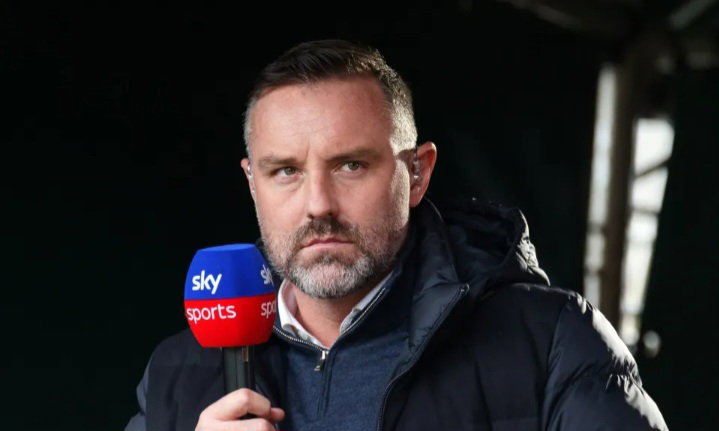
Celtic VAR Hypocrisy: Where Is Kris Boyd’s Outrage After Paisley Chaos?
Celtic won at St Mirren on Saturday night. Perhaps that is precisely why the VAR controversy surrounding the game is already in danger of disappearing.
Had Celtic benefited from what happened in Paisley, would Scottish football have moved on so quietly?
Recent history strongly suggests otherwise.
St Mirren were awarded a first-half penalty when Liam Scales handled Chris Mochrie’s shot. That decision was understandable.
The greater controversy came afterwards.
Camilo Duran had an equaliser disallowed following an extraordinarily tight offside review.
Then Shim Mheuka thought he had scored his first Celtic goal, only for VAR to intervene again.
This time, the normal offside lines could not be produced. Referee Ryan Lee was instead sent to the monitor to make a visual judgement.
Mheuka may well have been offside. That is not really the point.
The question is why a supposedly factual VAR decision reached the stage where the technology designed to establish that fact could not provide its normal evidence.
Richard Foster raised exactly that concern on BBC Sportsound. He questioned whether the cameras and lines were accurate enough when margins are measured in inches and milliseconds.
Yet where is the national outrage?
Boyd’s remarkable ten-day transformation
Kris Boyd provides perhaps the clearest example of why Celtic supporters question the consistency of the commentary.
On May 3, Celtic visited Hibernian.
Joe Newell’s equaliser survived a lengthy VAR check despite footage raising serious questions about whether he had controlled the ball with his arm.
Boyd acknowledged the handball argument.
His message, however, was effectively: “You’ve got to trust the officials.”
Fair enough.
That is a perfectly reasonable philosophy.
Except ten days later Celtic were awarded that now infamous stoppage-time penalty at Motherwell.
Suddenly, trust disappeared.
Boyd became ferocious, incredulous and almost prosecutorial in his analysis.
He insisted there was “no way” the ball had struck Sam Nicholson’s hand. He discussed the trajectory of the football and repeatedly highlighted another “dubious” decision supposedly going Celtic’s way.
Sky Sports produced multiple videos, debates and additional angles.
The controversy dominated the national discussion.
For balance, the subsequent KMI panel decided the penalty should not have been awarded.
Boyd therefore had every right to challenge the decision.
But that is precisely the argument.
Why was rigorous examination essential when Celtic benefited, yet “trust the officials” apparently sufficient when Celtic had legitimate grievances ten days earlier?
Where is that forensic examination now?
As of Sunday evening, I can find no comparable published Boyd reaction to Celtic’s two disallowed goals in Paisley.
There has also been nothing resembling May’s national frenzy from the usual collection of voices surrounding Scottish football.
That does not prove an organised anti-Celtic agenda.
It does demonstrate why supporters perceive a glaring disparity.
Indeed, after the Motherwell controversy, the Scottish FA itself condemned what it called a “hysterical media narrative” surrounding officials.
Those were the governing body’s words.
When Celtic benefit, every freeze-frame can become national evidence.
Pundits demand explanations. Phone-ins explode. Columns appear. Decisions can dominate discussion for days.
When Celtic suffer controversial interventions but still overcome them, the conversation frequently becomes the result instead.
That cannot be the standard.
Celtic winning 2-1 does not make the Duran decision less worthy of examination. Nor does Mheuka appearing offside excuse a VAR system unable to demonstrate the decision through its normal process.
Consistency should apply to referees.
It should also apply to those paid to scrutinise them.
Key Takeaways
Celtic VAR Hypocrisy: Where Is Kris Boyd’s Outrage After Paisley Chaos?
Celtic won at St Mirren on Saturday night. Perhaps that is precisely why the VAR controversy surrounding the game is already in danger of disappearing.
Had Celtic benefited from what happened in Paisley, would Scottish football have moved on so quietly?
Recent history strongly suggests otherwise.
St Mirren were awarded a first-half penalty when Liam Scales handled Chris Mochrie’s shot. That decision was understandable.
The greater controversy came afterwards.
Camilo Duran had an equaliser disallowed following an extraordinarily tight offside review.
Then Shim Mheuka thought he had scored his first Celtic goal, only for VAR to intervene again.
This time, the normal offside lines could not be produced. Referee Ryan Lee was instead sent to the monitor to make a visual judgement.
Mheuka may well have been offside. That is not really the point.
The question is why a supposedly factual VAR decision reached the stage where the technology designed to establish that fact could not provide its normal evidence.
Richard Foster raised exactly that concern on BBC Sportsound. He questioned whether the cameras and lines were accurate enough when margins are measured in inches and milliseconds.
Yet where is the national outrage?
Boyd’s remarkable ten-day transformation
Kris Boyd provides perhaps the clearest example of why Celtic supporters question the consistency of the commentary.
On May 3, Celtic visited Hibernian.
Joe Newell’s equaliser survived a lengthy VAR check despite footage raising serious questions about whether he had controlled the ball with his arm.
Boyd acknowledged the handball argument.
His message, however, was effectively: “You’ve got to trust the officials.”
Fair enough.
That is a perfectly reasonable philosophy.
Except ten days later Celtic were awarded that now infamous stoppage-time penalty at Motherwell.
Suddenly, trust disappeared.
Boyd became ferocious, incredulous and almost prosecutorial in his analysis.
He insisted there was “no way” the ball had struck Sam Nicholson’s hand. He discussed the trajectory of the football and repeatedly highlighted another “dubious” decision supposedly going Celtic’s way.
Sky Sports produced multiple videos, debates and additional angles.
The controversy dominated the national discussion.
For balance, the subsequent KMI panel decided the penalty should not have been awarded.
Boyd therefore had every right to challenge the decision.
But that is precisely the argument.
Why was rigorous examination essential when Celtic benefited, yet “trust the officials” apparently sufficient when Celtic had legitimate grievances ten days earlier?
Where is that forensic examination now?
As of Sunday evening, I can find no comparable published Boyd reaction to Celtic’s two disallowed goals in Paisley.
There has also been nothing resembling May’s national frenzy from the usual collection of voices surrounding Scottish football.
That does not prove an organised anti-Celtic agenda.
It does demonstrate why supporters perceive a glaring disparity.
Indeed, after the Motherwell controversy, the Scottish FA itself condemned what it called a “hysterical media narrative” surrounding officials.
Those were the governing body’s words.
When Celtic benefit, every freeze-frame can become national evidence.
Pundits demand explanations. Phone-ins explode. Columns appear. Decisions can dominate discussion for days.
When Celtic suffer controversial interventions but still overcome them, the conversation frequently becomes the result instead.
That cannot be the standard.
Celtic winning 2-1 does not make the Duran decision less worthy of examination. Nor does Mheuka appearing offside excuse a VAR system unable to demonstrate the decision through its normal process.
Consistency should apply to referees.
It should also apply to those paid to scrutinise them.
Key Takeaways
- Celtic had two goals disallowed during the 2-1 victory over St Mirren.
- VAR could not produce its normal offside lines for the Mheuka incident.
- Richard Foster publicly questioned the accuracy of the technology.
- No comparable published Kris Boyd reaction could be found by Sunday evening.
- Boyd urged trust in officials after Hibs–Celtic in May, then fiercely challenged decisions benefiting Celtic ten days later.
- The legitimate argument is about consistency of scrutiny, not conspiracy.

Penalty in May at Fir Park clearly shown with var involvement to be clear handball with hand up at forehead! Footage very clear and undeniable despite strong outrage from certain pundits! Further Trusty clearly assaulted too by Motherwell player and no action taken on that at all either!