
Celtic Have a Game Management Problem — And Dundee United Exposed It Again
 Aodhán Ó Conchobhair
Auto Draft
There is a frustrating pattern developing at Celtic, and Wednesday night’s 2-2 draw with Dundee United summed it up perfectly.
We started well, took the lead through Camilo Durán and looked capable of building on it. Then, within minutes, the game was turned on its head. Two goals conceded, a defence caught out and Celtic Park suddenly filled with frustration.
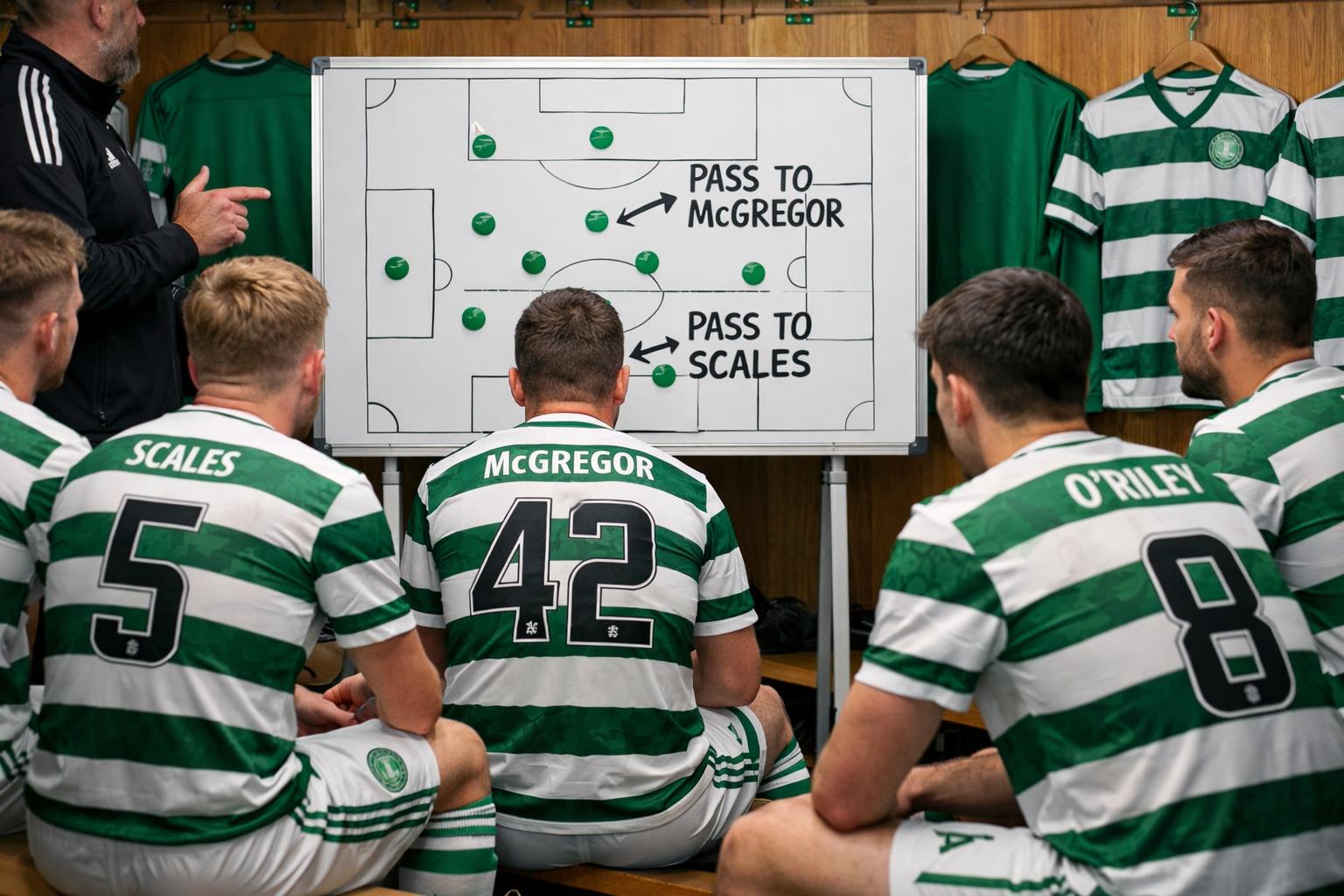
That is what concerns me most about this Celtic team. It is not simply about conceding goals. Football is unpredictable, and even the best sides will make mistakes. It is about how quickly we can lose control of a match and how difficult we make life for ourselves afterwards.
Once Dundee United scored their equaliser, we needed to settle things down, regain possession and stop the visitors building momentum. Instead, we conceded again almost immediately. Against better opposition, that sort of collapse can cost us far more than two points.
Credit where it is due: we showed character in the second half. Martin O’Neill’s introduction of Jota and Haissem Hassan gave us greater urgency and width, while Liam Scales’ header brought us level. We pushed for a winner, but ultimately had to settle for a draw.
However, we cannot keep relying on second-half reactions to rescue performances. Why are we so often having to chase games? Why does it take a setback before we show the urgency and attacking intent that supporters want to see from the beginning?
O’Neill has helped steady the ship, and sitting four points clear at the top is hardly a disaster. But the league position should not distract us from the recurring problems in our performances.
Game management is about more than seeing out a lead. It is about recognising when a match is getting away from us, responding intelligently and preventing one setback from becoming two.
Dundee United exposed that weakness again. If we want to win this league comfortably and compete in Europe, we have to learn to control matches rather than constantly fight our way back into them.
Celtic have the quality to win games. What we need now is the composure and organisation to stop making them harder than they should be.
Key Takeaways
- Celtic displayed a frustrating pattern in their 2-2 draw against Dundee United, losing control after taking an early lead.
- The team’s quick concession of goals raises concerns about their match management and ability to respond to setbacks.
- Despite a strong second-half showing, Celtic often relies on reactive play rather than starting with urgency.
- Manager Martin O’Neill’s contribution stabilised the team, but recurring performance issues persist amidst their league lead.
- To compete effectively, Celtic must enhance their composure and organisation to avoid unnecessary struggles in matches.